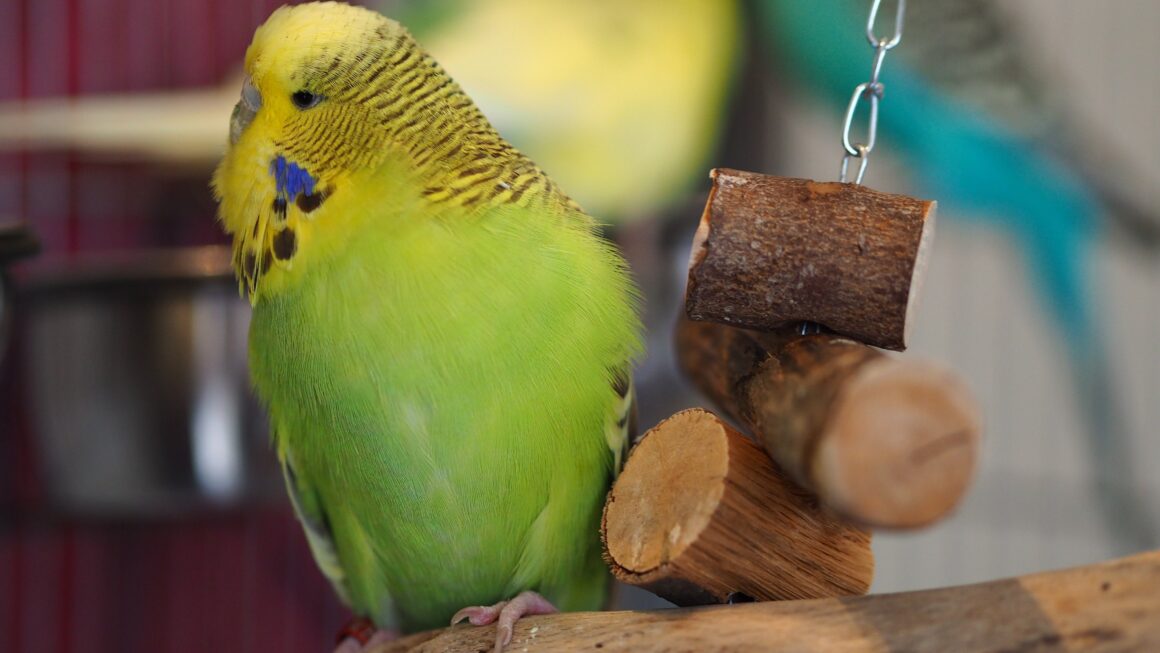
Toys come in direct contact with your animal’s mouth, paws, or claws; and lets be real, that’s going to accumulate germs, bacteria, and potentially even allergens. Regular cleaning not only extends the life of the toys but also minimizes the risk of infections, respiratory issues, and digestive problems. And in this economy, it’s well worth it to take a little extra consideration to save an eventual huge vet bill.

General Cleaning Frequency Guidelines
A few general notes –
- Daily or Weekly: Toys that are used by your pet daily or come into direct contact with food, dirt, or water (Examples: rubber chew toys, foraging toys)
- Monthly: Toys that are less frequently used, such as puzzle toys, or toys those placed inside the enclosure/habitat that aren’t handled by your pet regularly, and aren’t in contact with fluids.
- Immediately After Play: If a toy becomes soiled with drool, food, or pet waste, clean it as soon as possible.
How to Clean Toys Based on The Given Material
1. Rubber and Plastic Toys
- Cleaning Method:
- Wash rubber and plastic toys in warm, soapy water using a dish soap that’s pet-safe. Scrub the toy with a sponge or a dedicated cleaning brush to get into crevices.
- Rinse thoroughly to ensure no soap residue remains, as it can be harmful if ingested.
- For an added sanitization boost, after washing, soak the toys in a mixture of 50% water and 50% white vinegar for 10-15 minutes. This natural disinfectant is safe for most pets.
- Air dry or wipe with a clean cloth.
- Deep Cleaning: For a more thorough cleaning, especially for toys that have small grooves, you can place them on the top rack of the dishwasher (without detergent) for a hot-water rinse cycle. This can effectively sanitize rubber and plastic toys that are dishwasher-safe.
2. Fabric and Plush Toys
These pose a bit more of a challenge, but cleaning is definitely possible –
- Cleaning Method:
- Most fabric and plush toys can be machine washed. Use a gentle cycle with cold or warm water (depending on the material) and a pet-safe detergent.
- For toys that are not machine-washable, hand wash them using warm water and mild (ideally something natural like a non-toxic soap or detergent), and scrub gently with a brush.
- If the toy has any stuffing, ensure it doesn’t have loose seams before washing, as the stuffing can spill out in the machine. Speaking from personal experience here, it’s the worst to try to clean up an exploded toy.
- Air dry plush toys completely before giving them back to your pet. If the fabric permits, machine drying is possible but air drying ensures no mold or bacteria grows in any damp areas so long as you hang it up the right way and keep the area breezy.
- Disinfecting Tip: Add a cup of white vinegar during the washing machine cycle to naturally disinfect the toys. You can also sanitize with a light mist of pet-safe disinfecting spray, but avoid harsh chemicals like bleach or alcohol as that stuff will get into the fabric itself.
3. Wooden Toys
Examples: Perches, chew sticks, or puzzle pieces for birds, rodents, or reptiles.
- Cleaning Method:
- Wipe down wooden toys with a cloth soaked in a solution of water and mild soap that is fragrance free, as certain oils like lavender or orange oil can be very harmful to dogs or cats.
- Avoid submerging wooden toys in water, as wood is porous and can absorb moisture, leading to mold and weakened integrity.
- Use a spray bottle with a vinegar and water solution (50/50 mix) to sanitize wooden toys, then wipe them dry immediately with a clean towel.
- Sun drying or placing the toy in a warm, ventilated area can help eliminate lingering moisture and bacteria.
- If you have wood toys that are fairly large and quite dirty, I recommend whittling or shaving away significant grime if possible. Then proceed with the above cleaning steps once you have a pretty clean piece of wood.
- Important Note: Do not use bleach or harsh chemicals on wooden toys, as wood absorbs these substances. This could later be harmful to your pet if chewed or licked.
4. Rope Toys
Examples: Tug toys, rope perches for birds, or climbing structures for small mammals.
- Cleaning Method:
- Machine wash rope toys in a laundry bag or pillowcase to prevent tangling. If you wash it loose, it’s 100% going to do some damage to other clothes, and maybe even get trapped in the washer.
- Use a mild detergent and wash on a gentle cycle with warm water. Air dry to ensure all moisture is removed.
- If handwashing, soak in warm water with mild soap and scrub with a brush. Rinse thoroughly.
- Disinfecting Tip: For a deeper clean, boil rope toys in water for 5-10 minutes to kill bacteria and germs. Be sure to air dry completely before use.
5. Natural Materials (Leather, Sisal, Hemp)
Examples: Leather chew strips, sisal rope, and hemp toys used for climbing or scratching.
- Cleaning Method:
- Wipe down toys made from natural materials like leather, sisal, or hemp using a damp cloth soaked in a vinegar-water solution (50/50 mix).
- Avoid soaking these toys in water as it can break down the fibers and cause deterioration.
- For mild cleaning, brush off dirt or debris with a soft bristle brush and wipe away with a damp cloth.
- Special Care: Leather toys, in particular, should be kept dry as much as possible to maintain their longevity. Avoid harsh cleaners or chemicals on these toys.
6. Living Materials

Examples: Marimo algae balls, Java moss, floating plants
- Cleaning Method:
- Definitely don’t use ANY SOAP on this stuff. It’s alive, and soap tends to really put a damper on it.
- Your best bet is to meticulously visually inspect these either when you receive it, or occasionally as it sits in the tank.
- If you’re receiving something new to go into an aquatic environment, definitely take a day to quarantine them and see if there are any hitchhikers or residues coming off the item. If there is, clean, and quarantine again until you find clean water, or you deem it’s a lost cause to keep.
- If you would like to clean off the residues they may have, simply use sterilized water (not tap water) and run it over the item while you gently scrub it with your hands. Consider snipping off any rotting areas with a set of scissors to limit bacterial build up
7. Metal Toys and Cage Accessories
Examples: Bells, chains, or other metal parts used in bird toys or small animal climbing structures.
- Cleaning Method:
- Metal toys and parts can be soaked in hot, soapy water. Scrub them with a brush to remove debris, and rinse thoroughly.
- Metal toys can also be cleaned with a mild vinegar-water solution for a more natural disinfectant.
- Ensure that the toys are completely dry before giving them back to your pet to prevent rusting or corrosion.
- Dishwasher Tip: Metal parts can typically be run through a dishwasher cycle without soap for extra sanitization.